
45%
Reduction in unplanned equipment downtime across connected production environments.
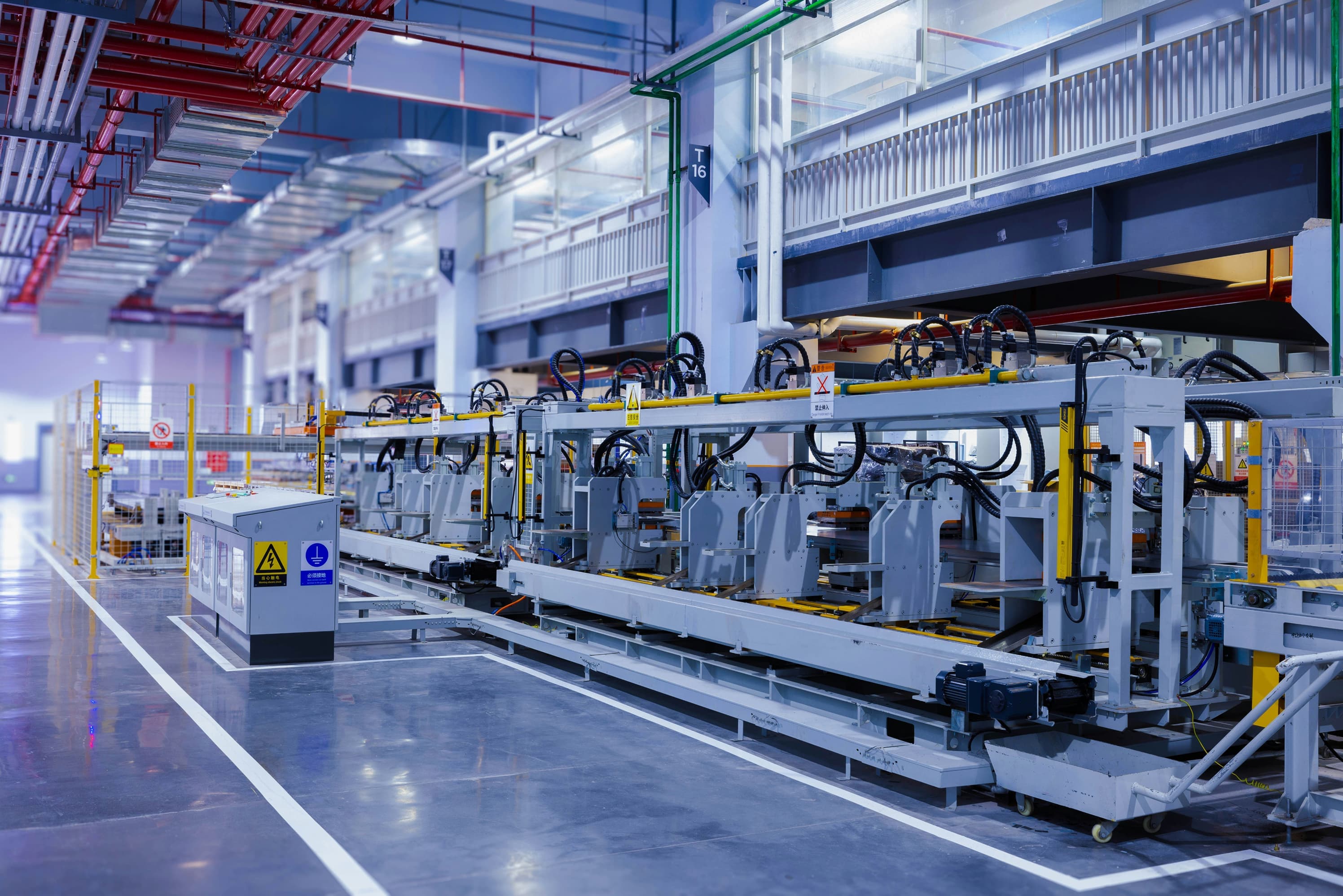
Automotive and industrial manufacturers hold their suppliers to four non-negotiables: line continuity, zero-defect supply, cost predictability, and supply chain transparency. Meeting all four consistently requires more than incremental improvement — it demands a connected data layer linking scheduling intelligence, AI adoption, and customer visibility into one unified system.
Three operational gaps prevent most manufacturers from closing this divide: demand volatility without scheduling intelligence, aging technology without a clear AI roadmap, and customer relationships lacking real-time transparency. When addressed as a unified system rather than separate initiatives, performance gains compound across every layer of the operation.
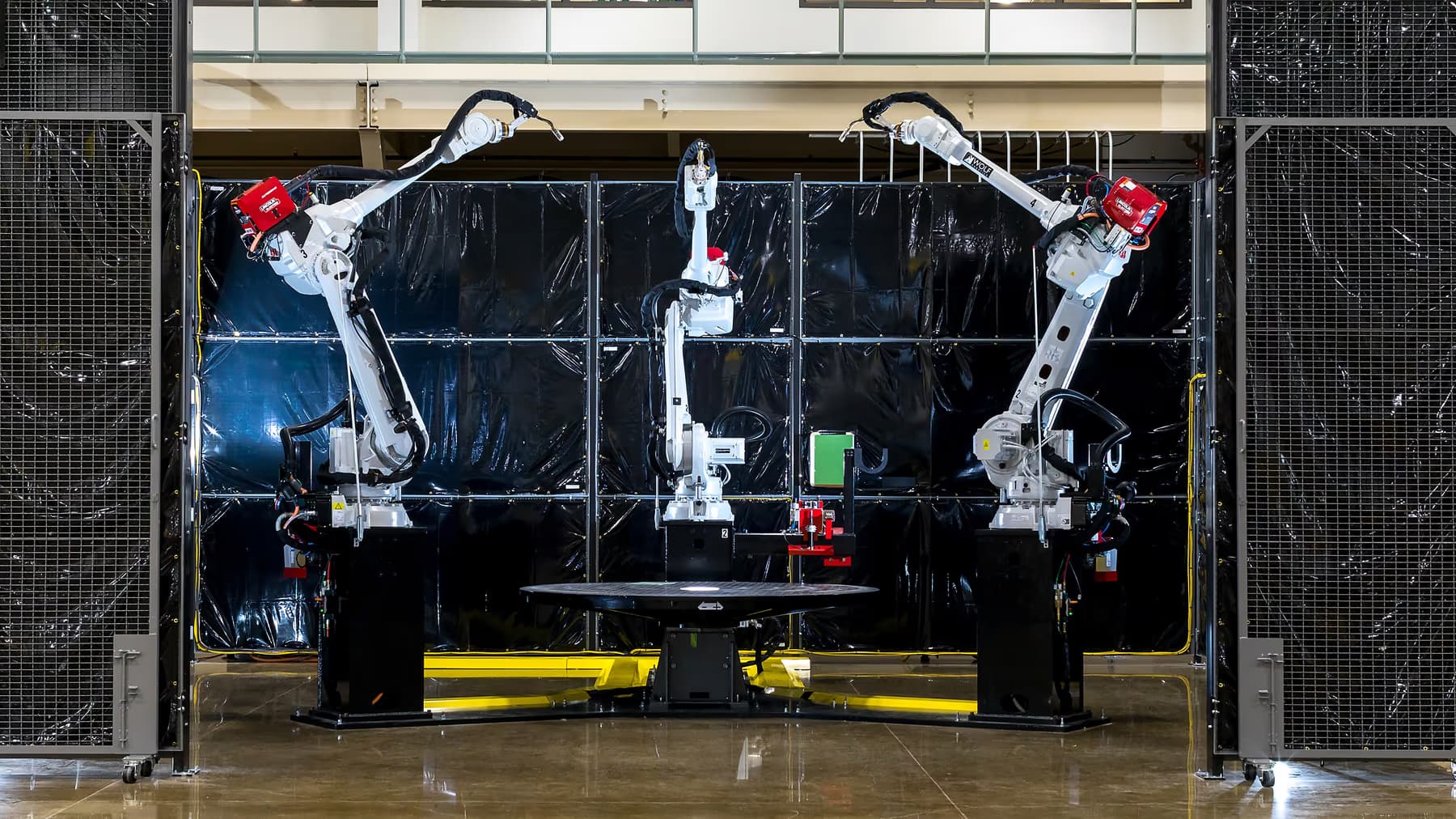
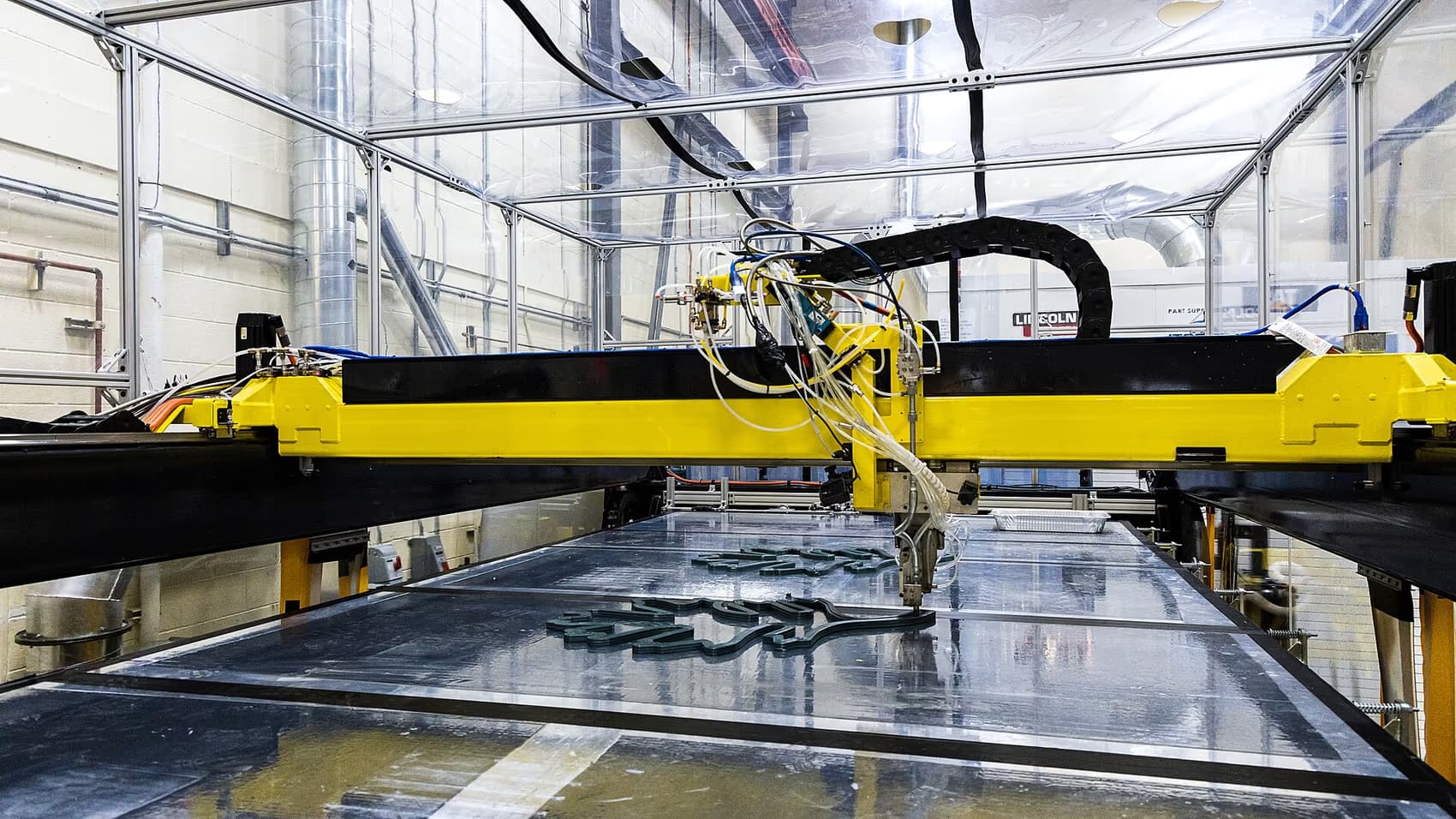
We design and deploy smart factory ecosystems that connect machines, sensors, and enterprise systems into a unified operational intelligence platform. Our approach enables real-time production visibility, automated quality control, and data-driven decision-making across every layer of the manufacturing floor.
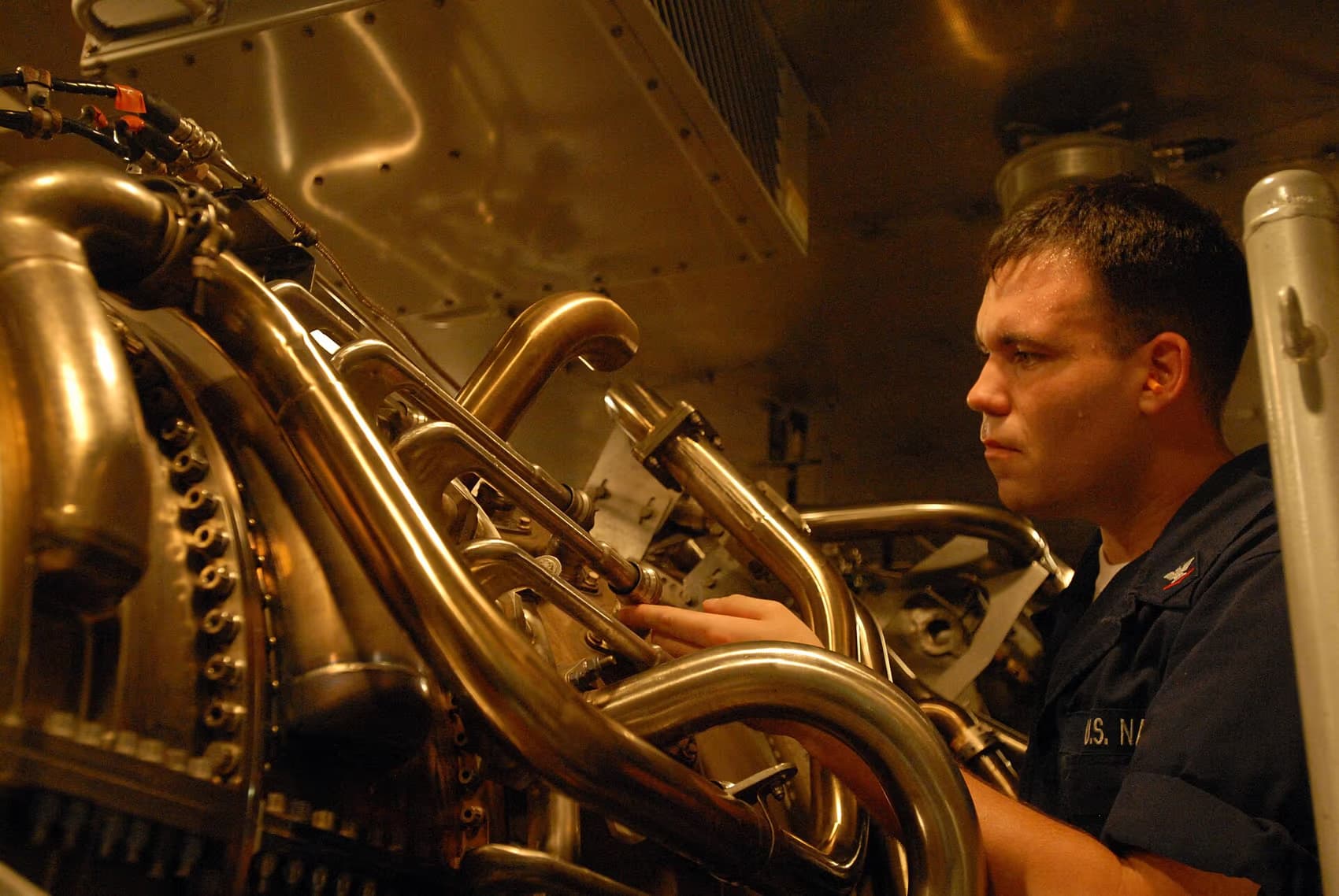
Our AI-powered predictive maintenance platforms continuously analyze sensor data from critical equipment to detect anomalies and forecast failures weeks in advance. This shifts maintenance from reactive to proactive, reducing unplanned downtime by up to 40% and significantly extending asset lifespan.
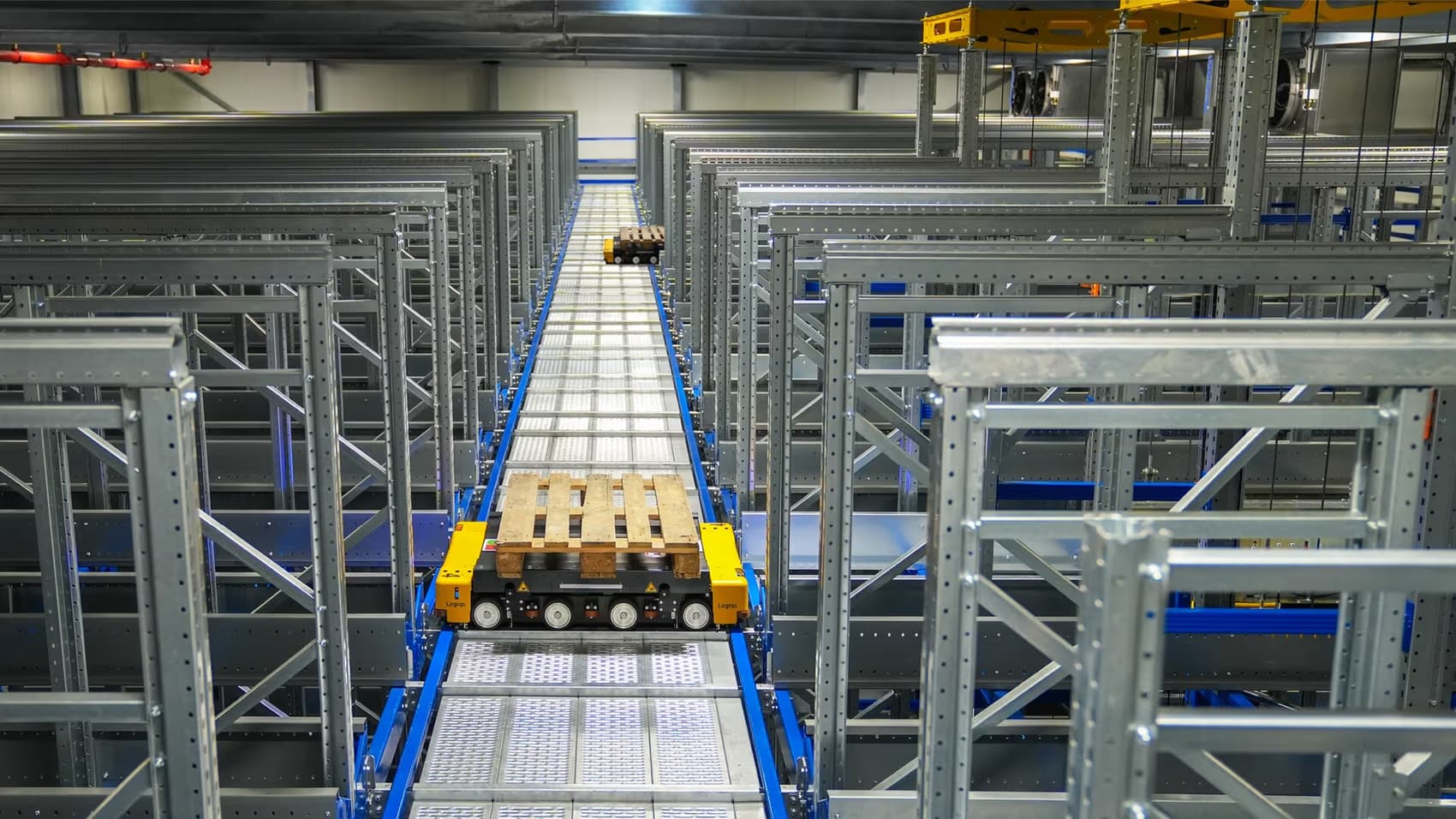
We build end-to-end supply chain visibility platforms that give manufacturers real-time insight into inventory levels, supplier performance, and logistics status. By integrating IoT tracking, demand forecasting, and automated reordering, we reduce lead times and minimize buffer stock requirements.
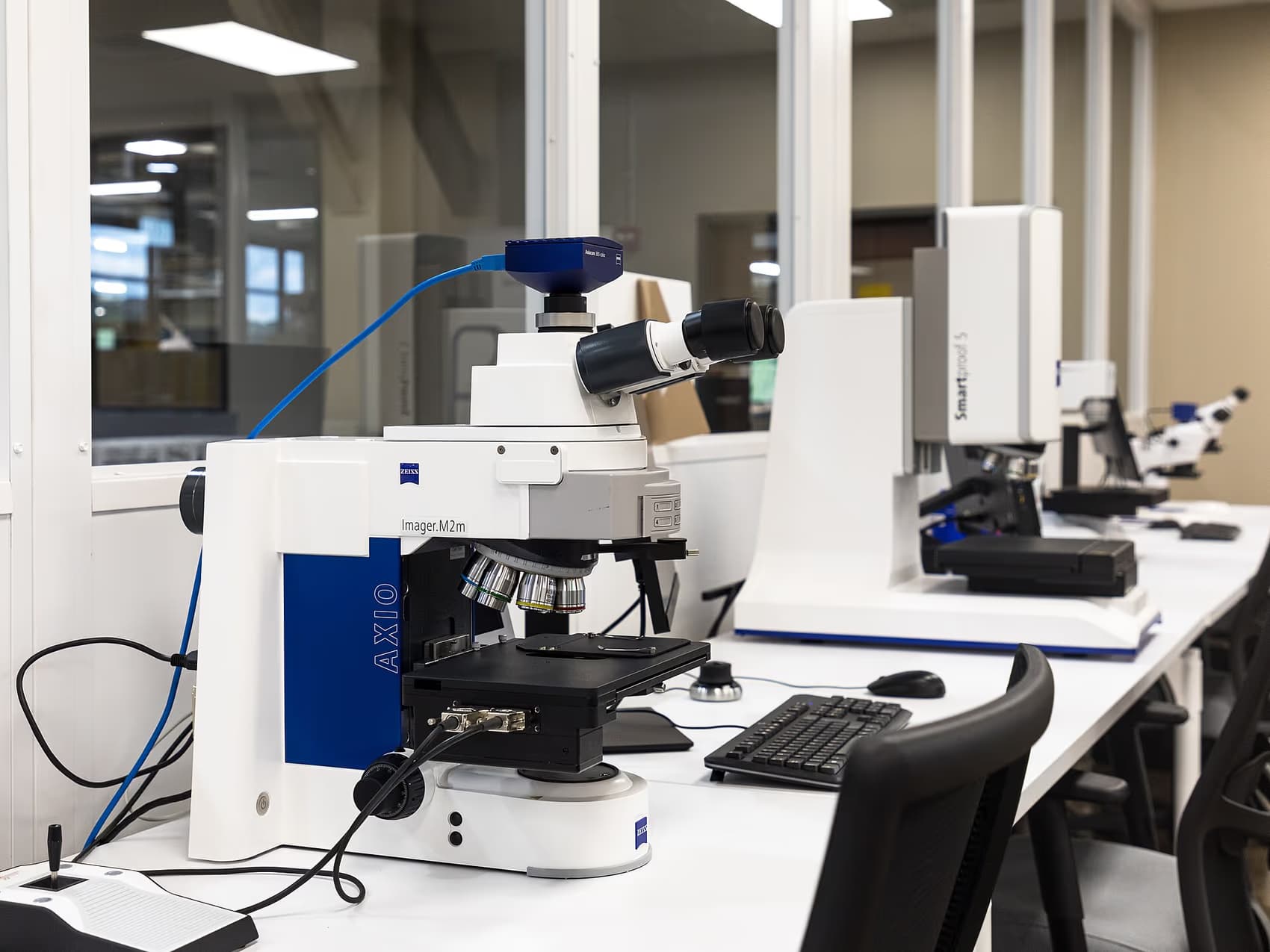
Our computer vision and AI systems automate defect detection on production lines with inspection speeds that far exceed manual quality checks. We integrate these systems directly into manufacturing execution environments, enabling immediate corrective action and dramatically reducing scrap rates.
We design and deploy smart factory ecosystems that connect machines, sensors, and enterprise systems into a unified operational intelligence platform. Our approach enables real-time production visibility, automated quality control, and data-driven decision-making across every layer of the manufacturing floor.
Our AI-powered predictive maintenance platforms continuously analyze sensor data from critical equipment to detect anomalies and forecast failures weeks in advance. This shifts maintenance from reactive to proactive, reducing unplanned downtime by up to 40% and significantly extending asset lifespan.
We build end-to-end supply chain visibility platforms that give manufacturers real-time insight into inventory levels, supplier performance, and logistics status. By integrating IoT tracking, demand forecasting, and automated reordering, we reduce lead times and minimize buffer stock requirements.
Our computer vision and AI systems automate defect detection on production lines with inspection speeds that far exceed manual quality checks. We integrate these systems directly into manufacturing execution environments, enabling immediate corrective action and dramatically reducing scrap rates.

ContinuumAR
www.continuumar.io
Transform your field operations with our device-agnostic remote assistance platform. Empower technicians with real-time expert guidance through AR smart glasses and mobile devices.
Visit continuumar.io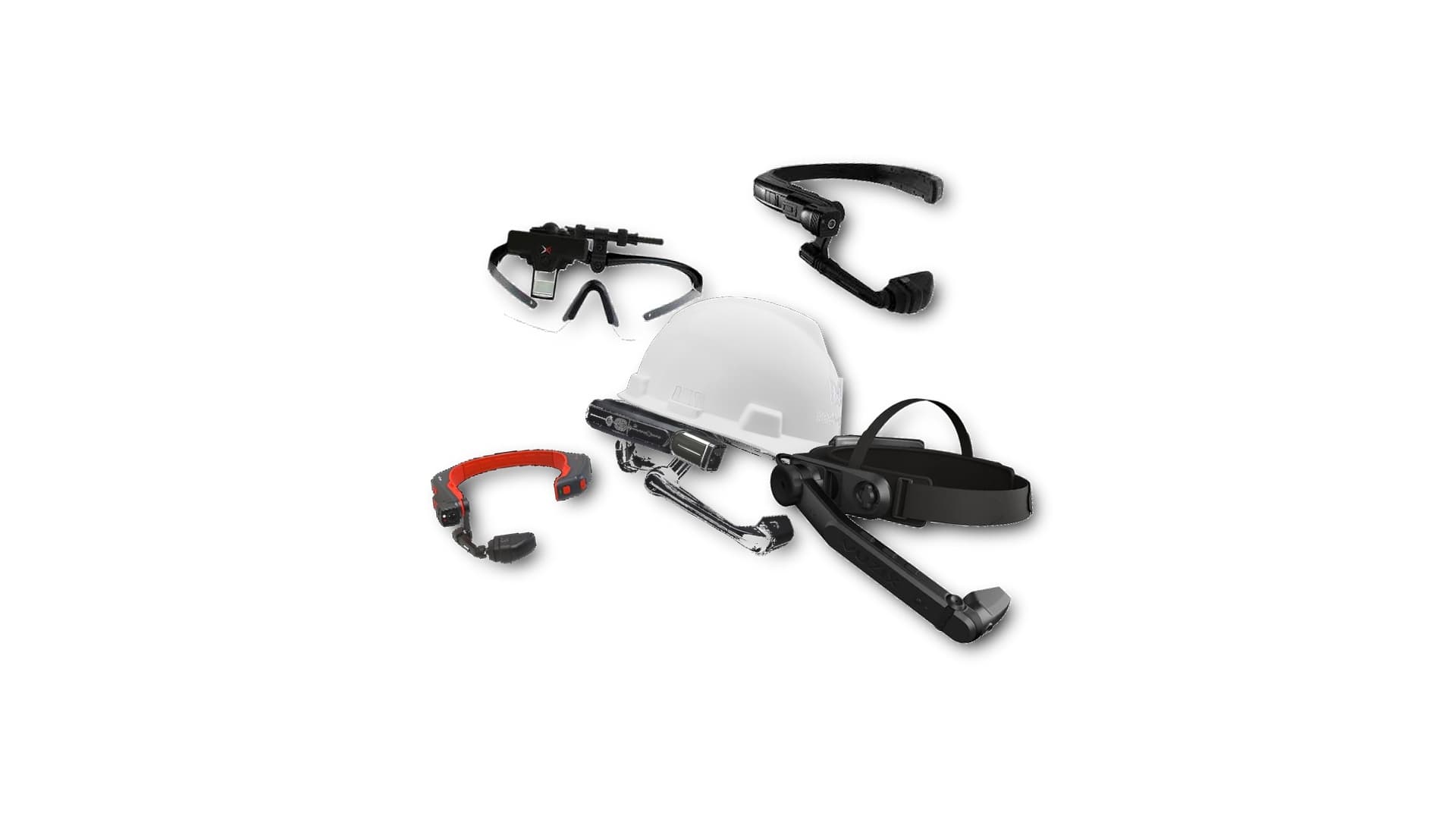
ContinuumAR is a device-agnostic platform offering real-time expert support to field technicians via AR smart glasses and mobile devices.
Key Benefits
Share live video feeds with remote experts who can provide instant visual annotations and step-by-step guidance.
Bank-grade security with end-to-end encryption, compliance certifications, and enterprise-grade access controls.
Get started in minutes with our cloud-based platform. No complex installations or lengthy setup processes required.
Use Cases
Field Service
HVAC, telecommunications, and industrial equipment servicing
Manufacturing
Equipment maintenance, quality control, and production line support
Oil & Gas
Remote pipeline monitoring, leak detection, and safety inspections
Energy & Infrastructure
EV charging station installation, battery maintenance, and diagnostics
Device-Agnostic Platform
Built to work across an entire fleet of industrial headsets and wearables — from RealWear and smart glasses to custom HUD systems.
RealWear Smart Glasses
Hands-free operation with voice commands. Perfect for industrial environments where safety and mobility are critical.
Six15 HUD Systems
Advanced head-up displays for tactical and industrial applications. Ideal for first responders and field technicians.
Mobile & Tablet Devices
Full compatibility with iOS and Android devices. Transform any smartphone or tablet into a powerful remote assistance tool.
Implementation Partner
Sequoia Applied Technologies
Empowering manufacturers with digital tools to improve efficiency, safety, and productivity.
Edge-to-cloud telemetry with predictive alerts and offline fallback, running across generators, fuel, EV, solar, and industrial assets.
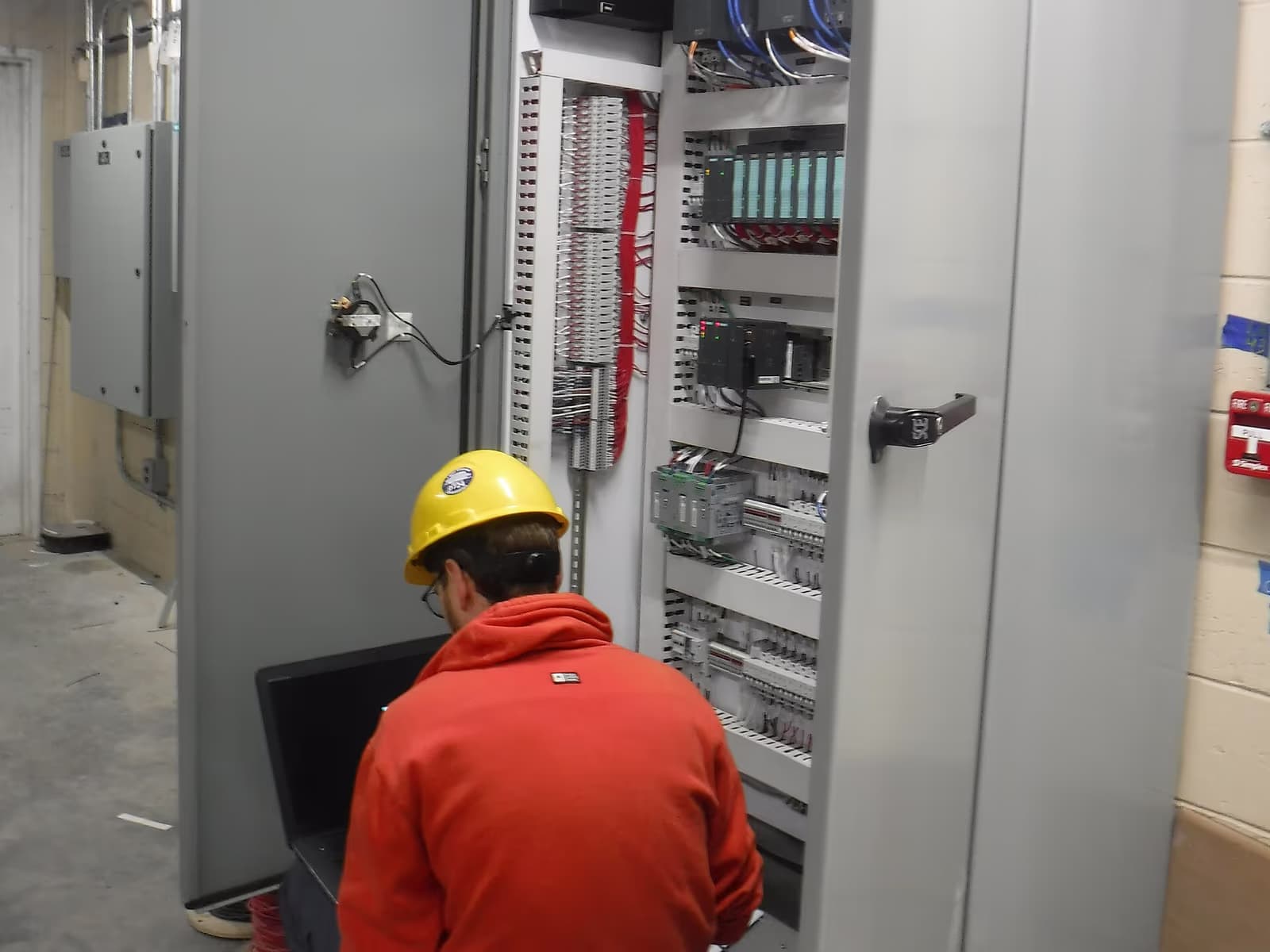
See how leading manufacturers are leveraging our technology to stay ahead.
Achieving continuous production through predictive analytics.
Read case studyAdapting quickly to changing market demands.
Read case studyEnhancing workplace safety with wearable tech and AI monitoring.
Read case studyTracking components from raw material to finished product.
Read case studyManufacturers adopting connected operational frameworks and AI-driven processes are seeing significant gains in throughput, quality, and equipment reliability across production floors.
45%
Reduction in unplanned equipment downtime across connected production environments.
Commitment to measurable outcomes
30%
Their predictive maintenance solution eliminated unexpected downtime and transformed our production planning.
OEE Improvement
38%
Increase in Overall Equipment Effectiveness through real-time IIoT monitoring and process optimization.
Faster quality cycles
50%

Connected technologies, scalable infrastructure, and intelligent operational systems are shaping the next generation of digital transformation across industries.
Schedule a Consultation