

10×
Faster pipeline development — GenXflo vs. manual Nextflow scripting.
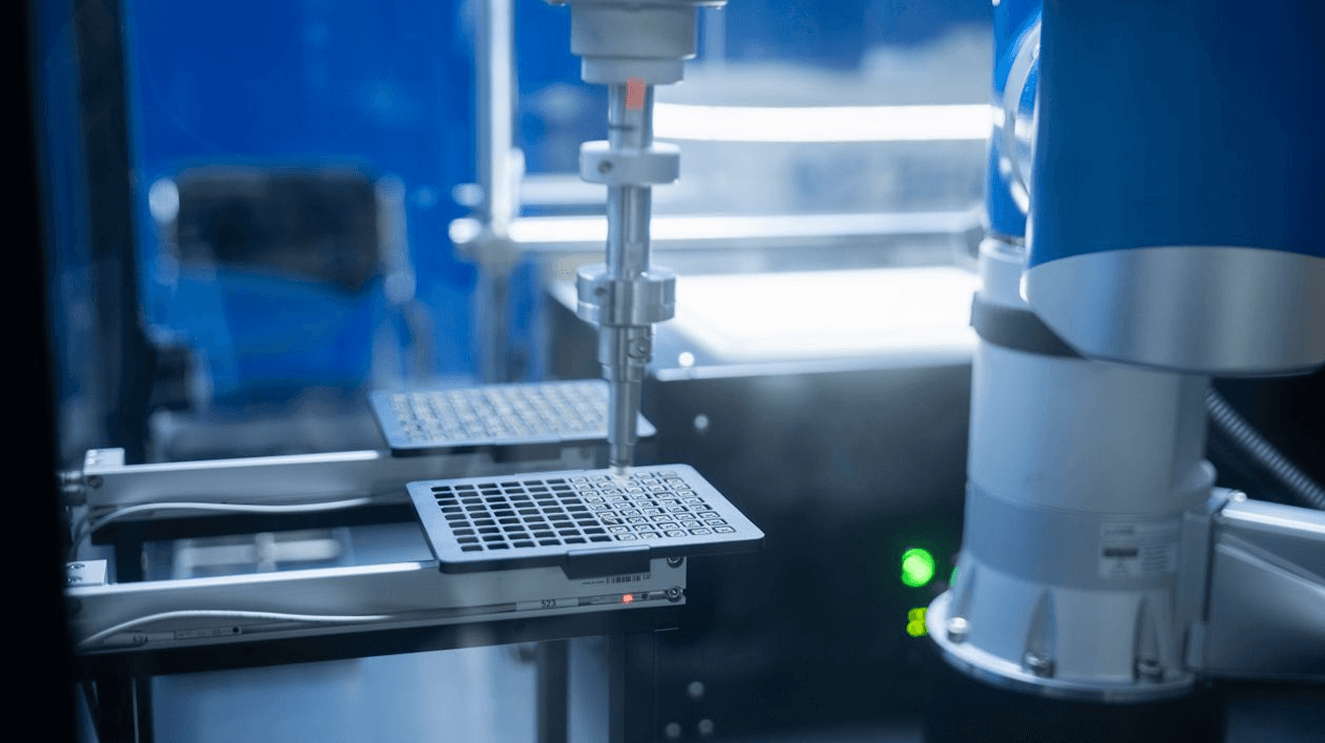
Healthcare organizations need connected, compliant infrastructure to deliver better patient outcomes. Life sciences companies need automated, reproducible pipelines to accelerate research and regulatory submissions. Both face mounting pressure to do more with less, while meeting HIPAA, 21 CFR Part 11, GxP, HITRUST, and ISO 13485 requirements.
Sequoia brings together enterprise engineering, AI, and GenXflo's visual workflow automation to serve both — with domain-aligned teams that understand the compliance landscape from day one.
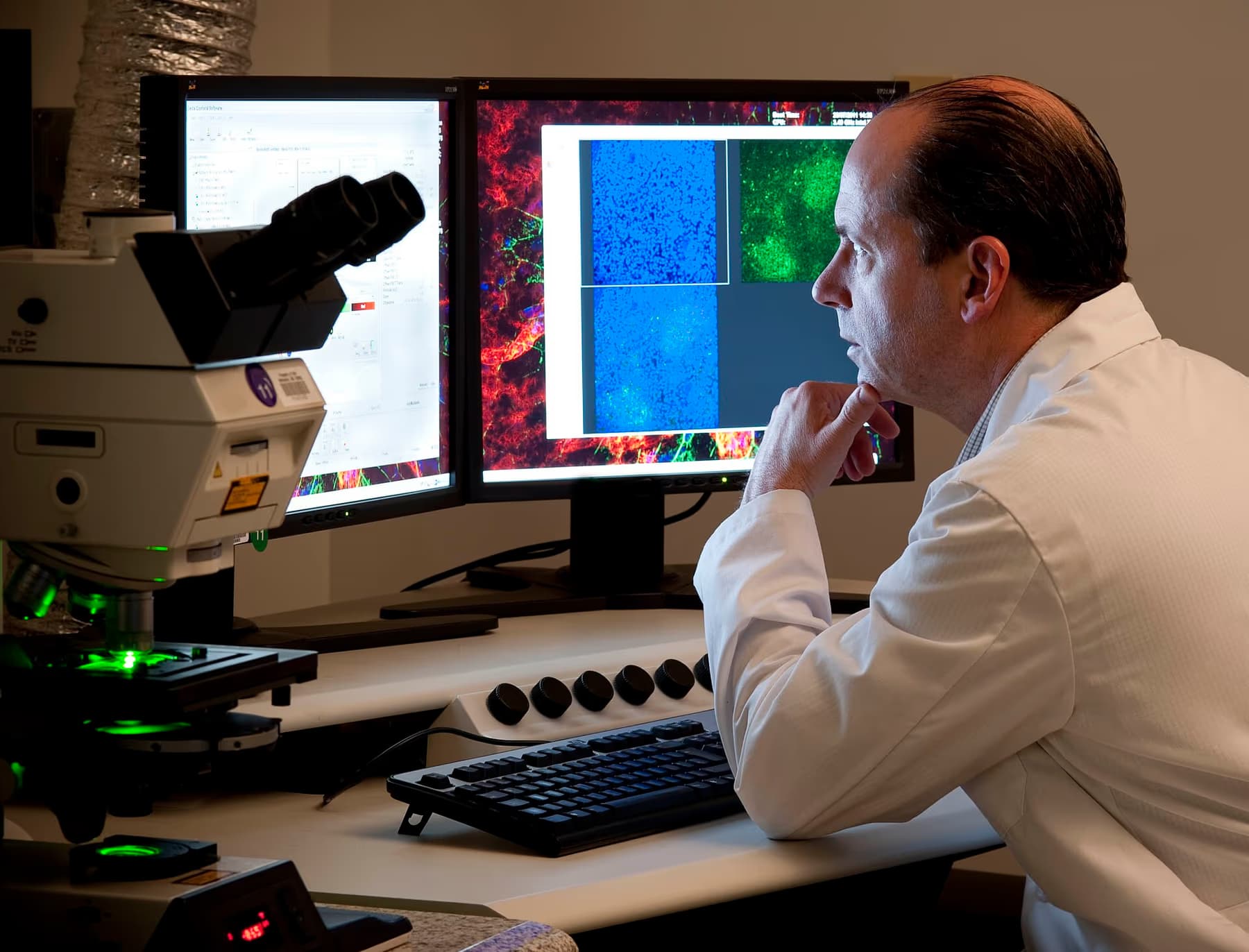
Migrating legacy EHR and clinical systems to scalable, interoperable architectures. HL7 FHIR, HL7 v2, and SMART on FHIR integration ready.
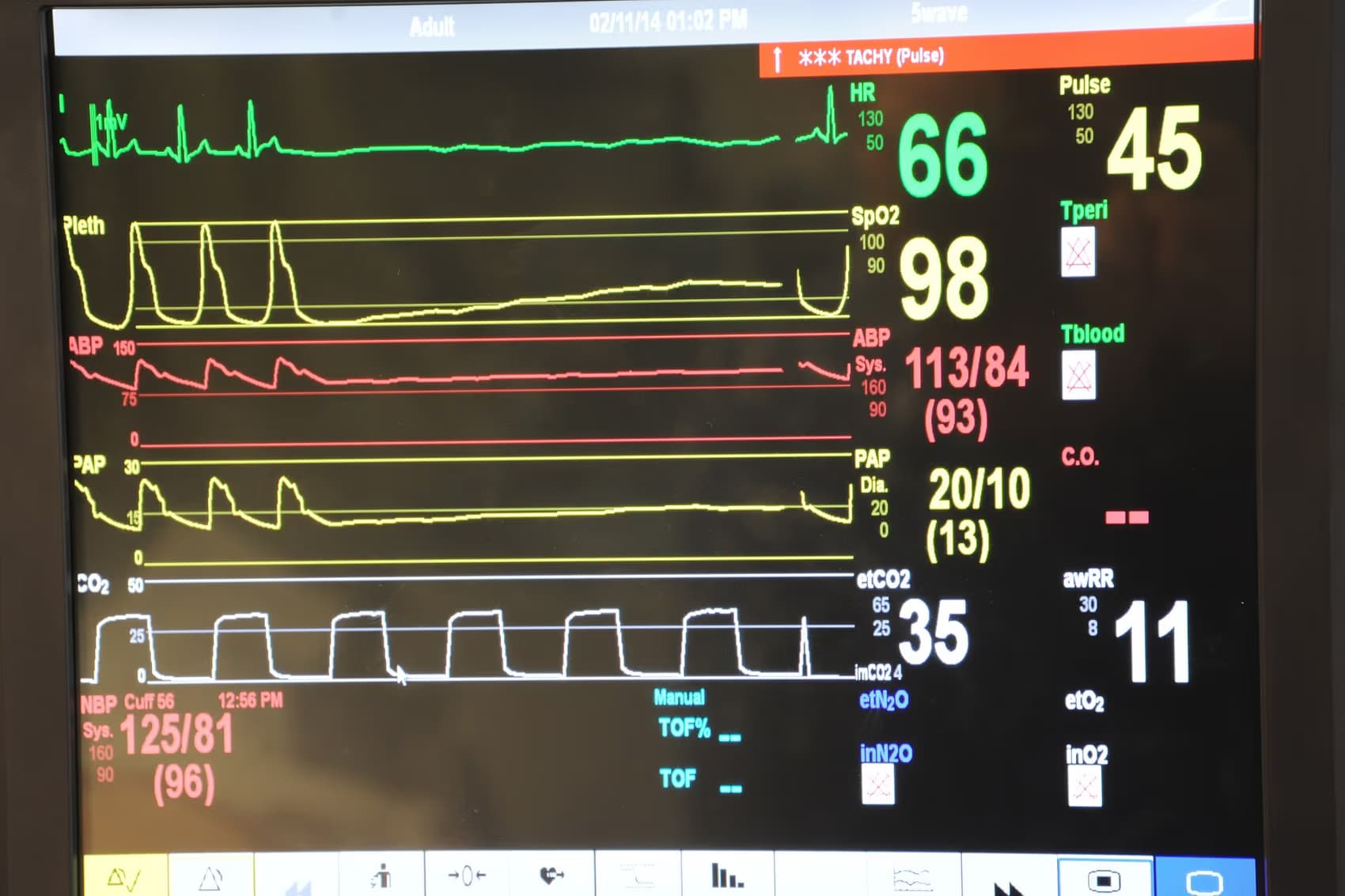
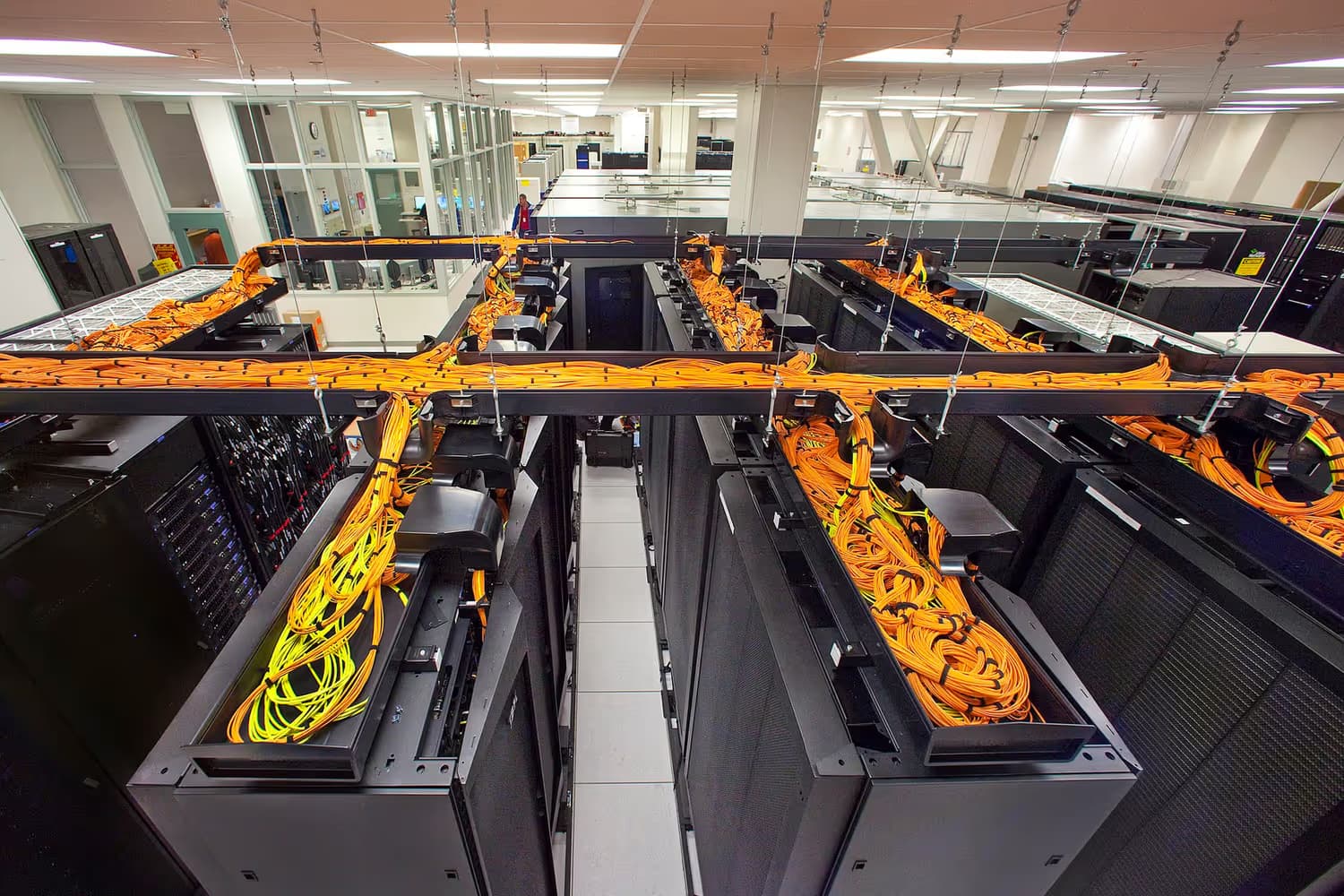
Streamlining nursing handoffs, prior authorizations, discharge workflows, and billing cycles with AI-assisted process automation.

No-code, production-ready Nextflow pipelines for genomics, RNA-seq, variant calling, and multi-omics workflows via GenXflo.

Protocol management, adverse event triage, submission-ready documentation pipelines, and 21 CFR Part 11-compliant audit trails.
Migrating legacy EHR and clinical systems to scalable, interoperable architectures. HL7 FHIR, HL7 v2, and SMART on FHIR integration ready.
Streamlining nursing handoffs, prior authorizations, discharge workflows, and billing cycles with AI-assisted process automation.
No-code, production-ready Nextflow pipelines for genomics, RNA-seq, variant calling, and multi-omics workflows via GenXflo.
Protocol management, adverse event triage, submission-ready documentation pipelines, and 21 CFR Part 11-compliant audit trails.
GenXflo is a no-code, AI-powered workflow platform purpose-built for regulated environments. For life sciences teams, it means building production-ready Nextflow bioinformatics pipelines visually — no scripting required. For healthcare operations, it means automating clinical workflows with built-in HIPAA, 21 CFR Part 11, and GxP controls baked in.
Build production-ready Nextflow bioinformatics pipelines visually — no scripting required. Deploy across local, HPC, or cloud environments.
Automate clinical workflows with built-in HIPAA, 21 CFR Part 11, and GxP controls — every step traceable and audit-ready.
Available as cloud-native SaaS, private cloud, or on-premises — with full integration support for HPC, Docker, and Singularity.
AI-driven operational models are helping organizations improve workflow orchestration, reduce process inefficiencies, accelerate research analysis, and enable faster access to operational intelligence across connected healthcare environments.
Develop scalable NGS pipelines for FASTQ/BAM processing, variant calling, and workflow automation using Nextflow, Snakemake, and WDL. Support Illumina and Nanopore platforms across cloud, HPC, and on-prem environments.
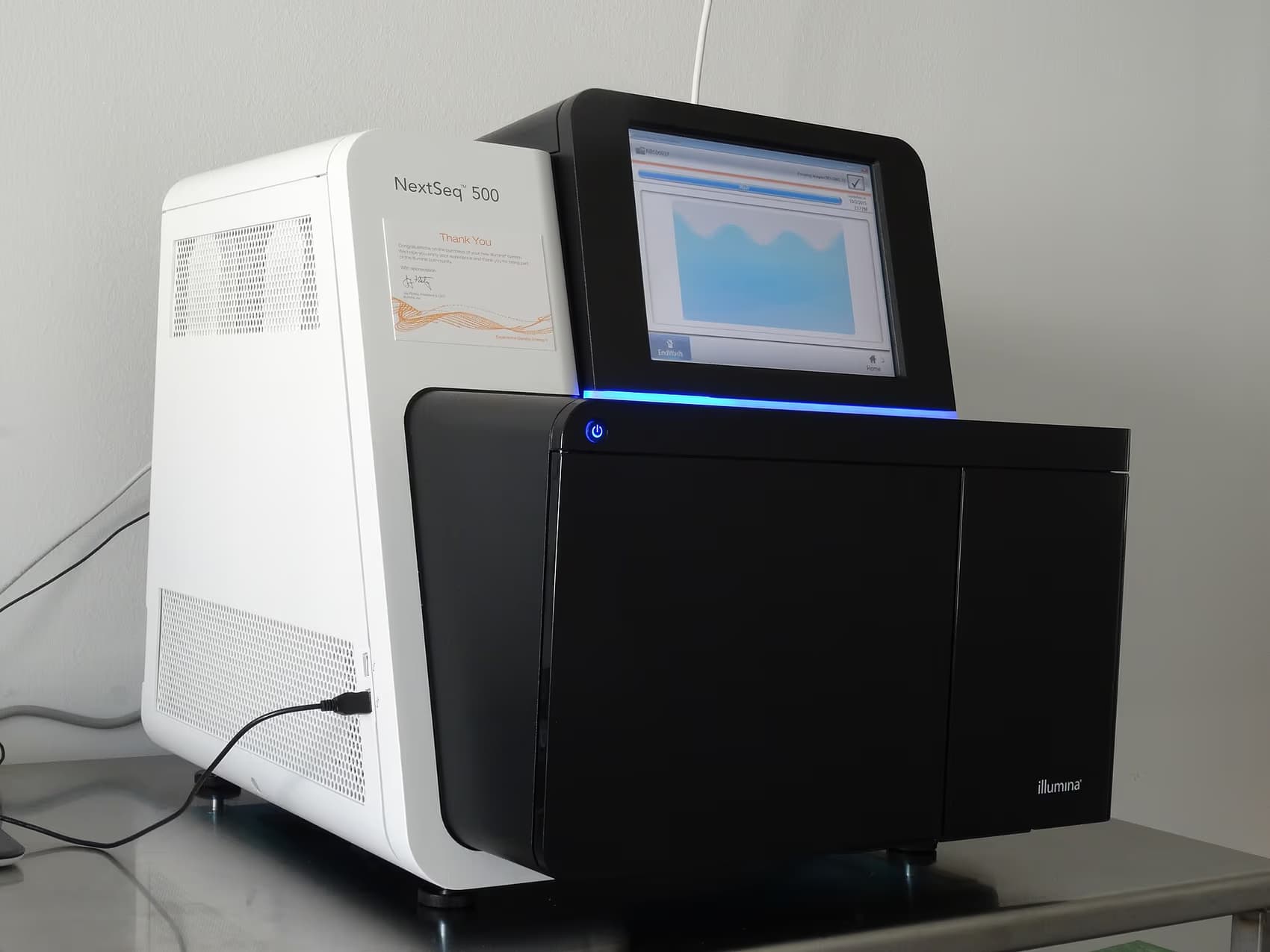
Cutting genomic analysis release cycles from 6 weeks to 2 weeks — 67% faster — with 99.9% variant concordance and a 57% reduction in manual QA effort.
Read case studyRebuilding a brittle shell-script NGS pipeline in Nextflow DSL2 with containerized stages and CI gating — new-sequencer integration dropped from weeks to days.
Read case studyRe-architecting a cloud-native NGS platform to run inside closed hospital networks — full cloud feature parity with zero external dependencies for data-privacy-constrained sites.
Read case studyMoving a multi-site hospital network to a HIPAA-compliant AWS environment with real-time HL7 FHIR data exchange.
Read case studyFrom bioinformatics pipeline acceleration to clinical workflow automation and regulatory compliance — GenXflo and Sequoia engineering deliver quantifiable impact across every layer of the operation.
10×
Faster pipeline development — GenXflo vs. manual Nextflow scripting.
Commitment to measurable outcomes
87%

Reduction in manual clinical processing through GenXflo clinical workflow automation.
Faster Regulatory Submissions
3.2×
Faster regulatory submission cycles across Pharma R&D with GenXflo audit automation.
Audit Trail Completeness
99.6%

Connected technologies, scalable infrastructure, and intelligent operational systems are shaping the next generation of digital transformation across industries.
Schedule a Consultation