
120+
Enterprise technology partnerships delivering measurable transformation outcomes.
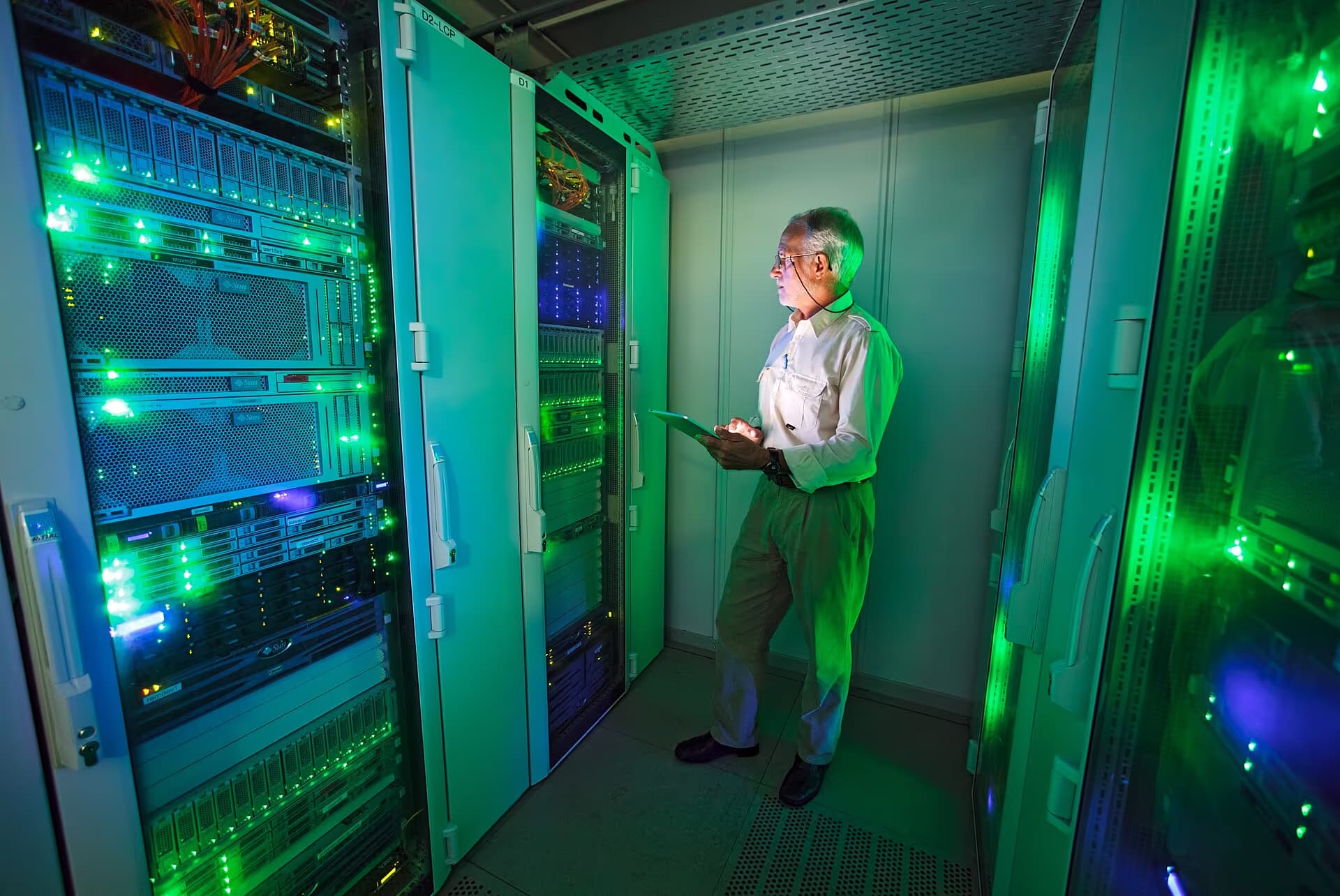
Modern enterprise environments must adapt to rapidly shifting market dynamics, complex operational demands, and security requirements. To drive growth and maintain a competitive edge, organizations need high-performing digital architectures that streamline workflows, ensure robust cybersecurity, and enable seamless cloud operations across all business functions.
Sequoia delivers deep engineering expertise, cloud-native solutions, and tailormade artificial intelligence frameworks to guide enterprises through their digital transformation journey and secure long-term operational success.
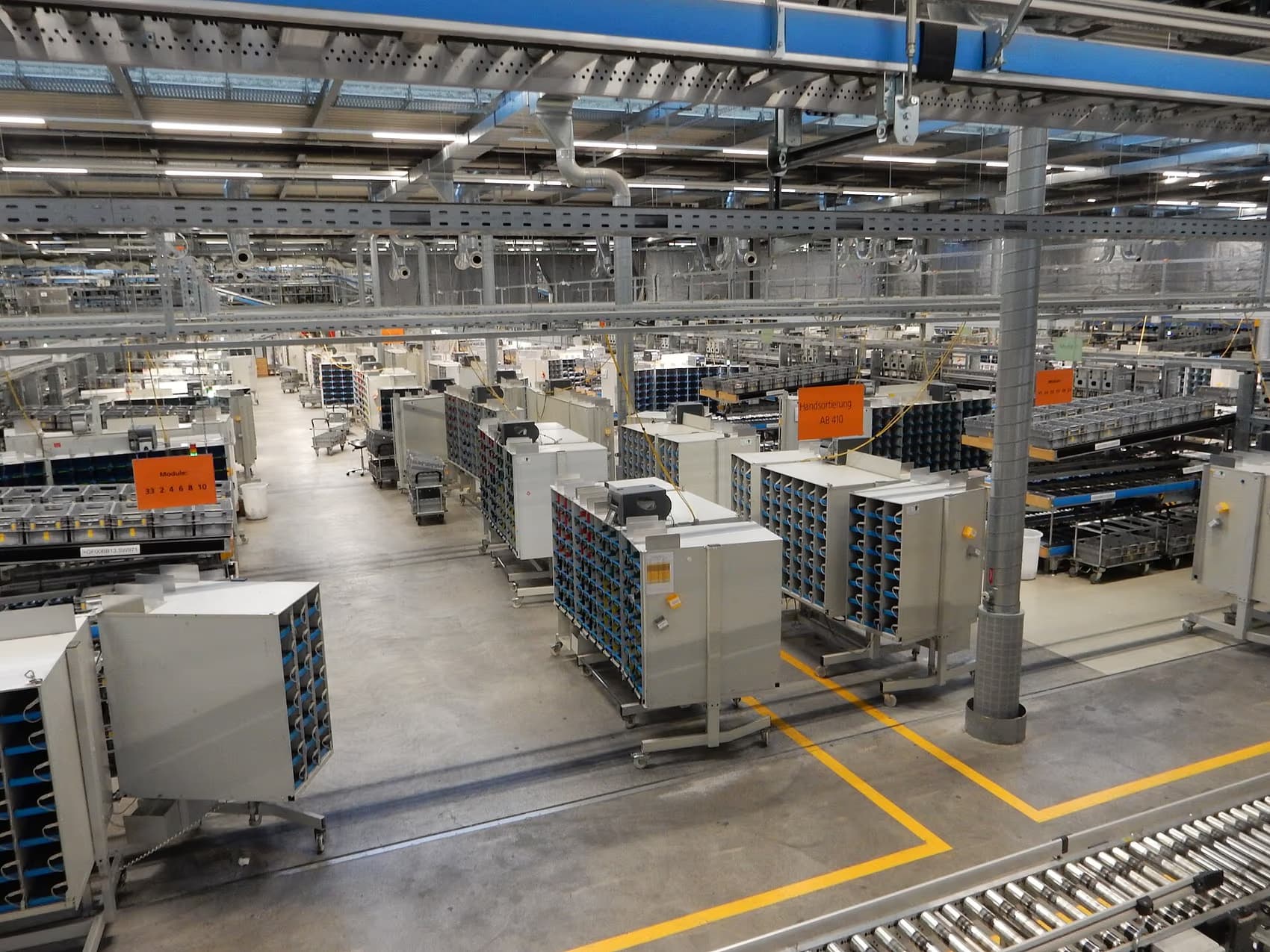
We automate end-to-end business workflows — from procurement and finance to HR and customer operations. Our automation frameworks integrate with existing ERP and CRM systems, eliminating manual bottlenecks and reducing operational overhead without disrupting day-to-day business.

We migrate monolithic, on-premise applications to cloud-native microservices architectures that are easier to scale, maintain, and extend. Our modernization approach minimizes downtime and preserves business continuity while dramatically improving development velocity and reducing long-term maintenance costs.

Our cybersecurity practice embeds zero-trust frameworks, continuous monitoring, and threat intelligence into your enterprise infrastructure. We help organizations identify vulnerabilities before they are exploited and ensure compliance with global standards including SOC 2, ISO 27001, and GDPR.

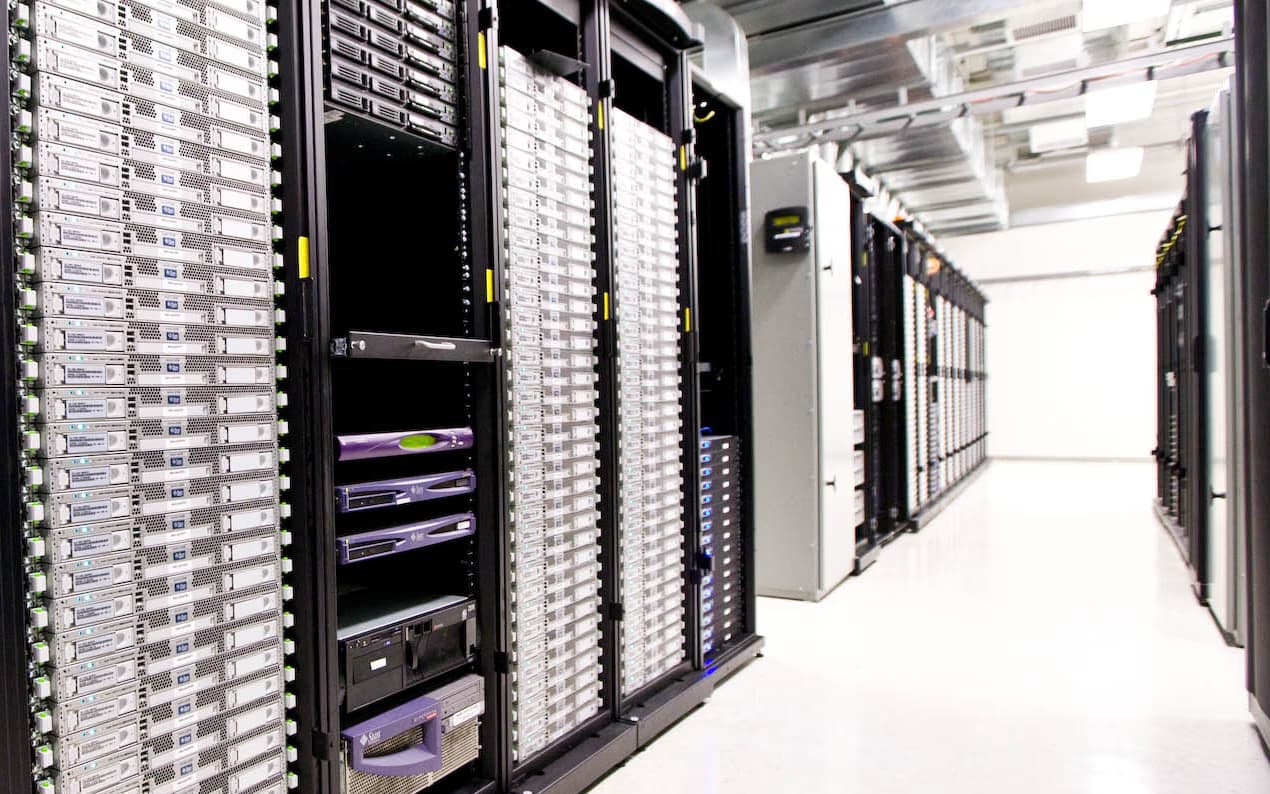
We design and deploy cloud-native infrastructure architectures that give enterprises the flexibility to scale globally while maintaining high availability and cost efficiency. From multi-region deployments to container orchestration, we build infrastructure that reliably supports your growth trajectory.
We automate end-to-end business workflows — from procurement and finance to HR and customer operations. Our automation frameworks integrate with existing ERP and CRM systems, eliminating manual bottlenecks and reducing operational overhead without disrupting day-to-day business.
We migrate monolithic, on-premise applications to cloud-native microservices architectures that are easier to scale, maintain, and extend. Our modernization approach minimizes downtime and preserves business continuity while dramatically improving development velocity and reducing long-term maintenance costs.
Our cybersecurity practice embeds zero-trust frameworks, continuous monitoring, and threat intelligence into your enterprise infrastructure. We help organizations identify vulnerabilities before they are exploited and ensure compliance with global standards including SOC 2, ISO 27001, and GDPR.
We design and deploy cloud-native infrastructure architectures that give enterprises the flexibility to scale globally while maintaining high availability and cost efficiency. From multi-region deployments to container orchestration, we build infrastructure that reliably supports your growth trajectory.
QuotientAI
Agentic Sales & Operations Automation
QuotientAI is Sequoia's built-in-house accelerator for agentic sales and operations automation. AI agents read, reason, and respond across your operational workflows — from customer email triage and SAP query resolution to PO processing and sales order creation — with human-in-the-loop oversight from day one.
Request a DemoWhat QuotientAI Does
AI agents that read, reason and respond across operational workflows
AI platform to model and automate business workflows
Customer email response — SAP query, draft response, CSR approval
PO processing — PDF parsing, SAP validation, sales order creation
Human-in-the-loop from day one
Built in-house and ready to deploy. Minimal customization required
QuotientAI is a production-ready, in-house built accelerator that brings agentic AI automation to enterprise sales and operations — connecting your existing SAP ecosystem with intelligent agents that handle the full cycle from email triage to order fulfillment.
Key Capabilities
AI agents that read, reason and respond across operational workflows — with an AI platform to model, monitor, and iterate on every process.
Every workflow includes configurable human approval gates — ensuring oversight from day one without slowing down automation.
Built in-house and production-ready. Minimal customization required — go from pilot to enterprise rollout in days, not months.
Automation Use Cases
Customer Email Response
SAP query processing, intelligent draft generation, and CSR approval workflows — fully automated end-to-end.
PO Processing
PDF parsing, SAP validation, and automated sales order creation — eliminating manual data entry across procurement.
CSR Workflow Automation
Streamline customer service operations with AI-driven triage, response drafting, and escalation management.
Sales Order Automation
End-to-end order lifecycle management — from intake and validation through fulfillment confirmation.
Why QuotientAI
A purpose-built accelerator designed for enterprise operations — not a generic AI wrapper. Every component is engineered for SAP environments with enterprise security and compliance at its core.
AI Agents at Scale
Deploy intelligent agents across operational workflows that read, reason, and respond without human bottlenecks.
Email-to-Action Pipelines
Transform inbound emails into structured SAP queries, draft responses, and approval-ready outputs automatically.
Enterprise-Grade Security
Built with enterprise compliance in mind — data stays within your environment with full auditability.
In-House Accelerator
QuotientAI
Built and maintained by Sequoia Applied Technologies — ready for enterprise deployment with minimal configuration.
We empower enterprises with robust technology foundations and AI-driven insights to maintain a competitive edge.
Seamlessly transition your workloads to the cloud for improved efficiency.
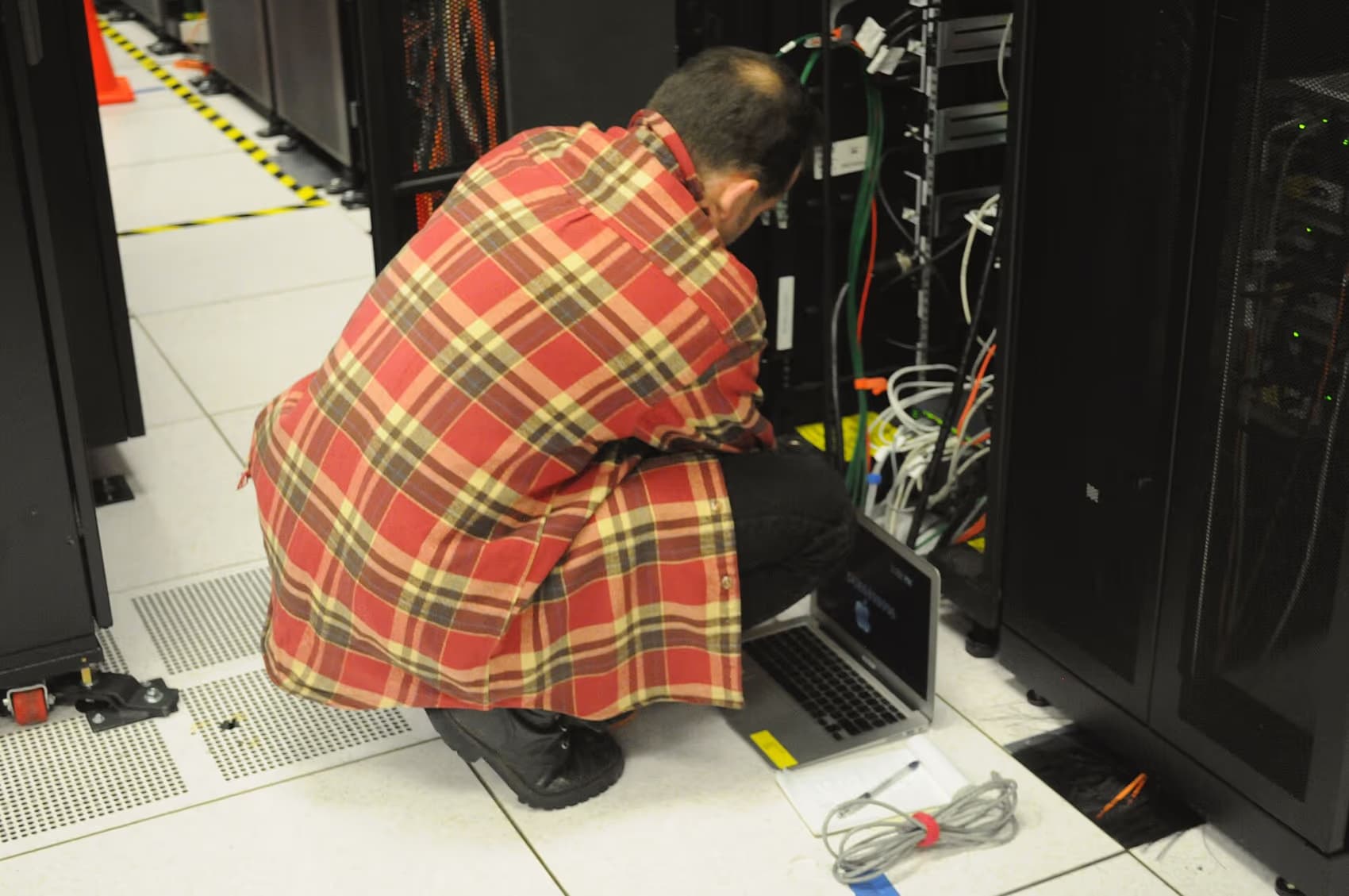
Explore how our tailored solutions are driving success across global enterprises.
Helping enterprises move faster and smarter.
Read case studyMaximizing ROI on infrastructure investments.
Read case studyProtecting vital assets and customer data.
Read case studyTools and platforms that drive productivity.
Read case studyEnterprises require measurable performance gains and robust technology infrastructure to remain agile and competitive.
120+
Enterprise technology partnerships delivering measurable transformation outcomes.
Commitment to measurable outcomes
99.9%

Their cloud modernization approach transformed our deployment velocity and operational resilience.
Faster deployments
60%
Improvement in enterprise application deployment times across cloud environments.
Cost reduction
45%

Connected technologies, scalable infrastructure, and intelligent operational systems are shaping the next generation of digital transformation across industries.
Schedule a Consultation